KliWo: Scaling climate‑neutral, affordable housing in Germany – building on ASTER’s pioneering model
On 1 June, the KliWo – Klimafreundliches Wohnen – initiative in Germany enters a new phase: turning an ambitious idea into a concrete investment programme for climate‑neutral, affordable housing. With support from the European Investment Bank’s ELENA facility, KliWo is set to unlock investments across at least several hundred buildings and thousands of homes, starting in North Rhine‑Westphalia and designed for replication across Germany.
At its core, KliWo is about making the green transition in housing a win‑win for both people and planet. By bringing housing companies and cooperatives together, it tackles rising energy costs, affordability pressures and climate targets in one integrated approach, rather than leaving each organisation to navigate the transition alone.
From Flanders to Germany
KliWo builds directly on an the pioneering work of ASTER in Flanders. Launched by Flemish social housing providers, ASTER was designed to fight energy poverty and meet climate goals by deploying rooftop solar on social homes at scale. Instead of isolated projects, ASTER created a shared vehicle that could coordinate the business model, procurement and finance while keeping tenants’ affordability at the centre.
ASTER’s impact is already visible. The cooperative reports around 137,710 solar panels installed, producing approximately 93 GWh of clean electricity and avoiding more than 25,000 tonnes of CO₂ emissions to date. For social tenants, this means lower and more predictable electricity bills, alongside a direct stake in the energy transition.
The experience from ASTER matters because it shows that housing investments can be structured in a way that delivers both environmental gains and direct social benefits. It also demonstrates that when housing providers work together, they can overcome barriers of scale, complexity and financing that would be much harder to solve on their own.
What KliWo will deliver
KliWo brings together more than 20 housing companies and cooperatives, representing a portfolio of roughly 50,000 homes, with a first wave of investments focused on several thousand dwellings in North Rhine‑Westphalia. The initiative is coordinated by InWIS Forschung & Beratung GmbH and supported by housing federations, creating a strong platform for affordable housing providers that want to accelerate their climate transition.
Backed by an ELENA grant from the European Investment Bank, KliWo aims to catalyse around 40–50 million euro of investment over the coming years. The programme combines deep energy renovation, smart energy systems, digitalisation, modernised heating solutions such as heat pumps, and rooftop solar linked to tenant self‑consumption models. Together, these measures are expected to deliver significant energy savings, renewable generation and carbon reductions, while helping residents benefit from more comfortable homes and lower exposure to volatile energy prices.
Looking ahead
KliWo shows how climate‑neutral housing can be made practical, affordable and socially meaningful. By building on proven experience from ASTER and adapting it to the German context, the initiative points to a future in which sustainability investments in housing are not a burden, but a shared opportunity for tenants, housing providers and public institutions alike.
For AxHA, this is exactly where its contribution matters most: helping shape replicable investment and impact models that allow mission‑driven actors to turn climate ambition into implementation. If ASTER showed what is possible in Flanders, KliWo suggests that the future for climate‑neutral and affordable housing in Germany is looking bright.
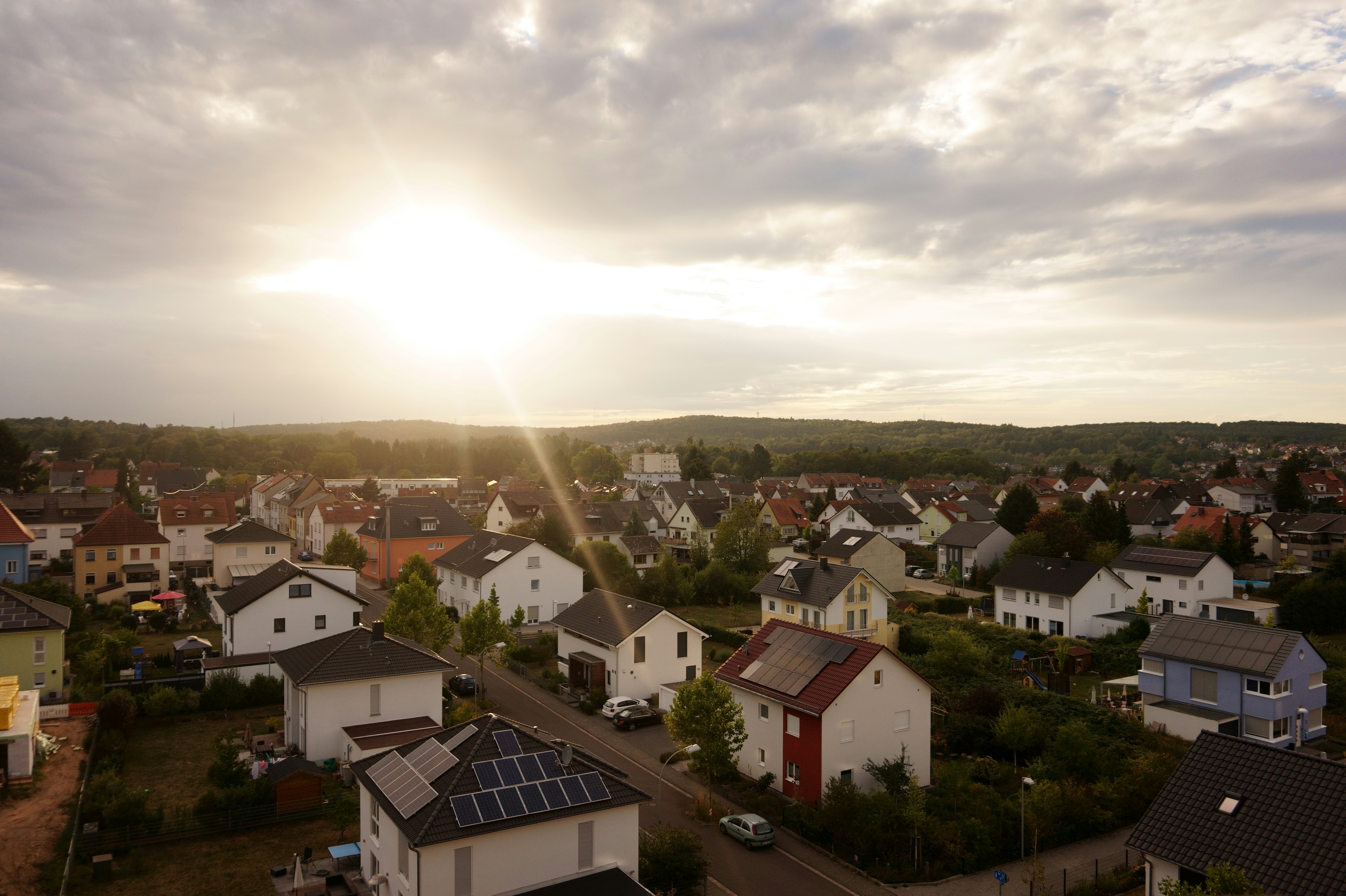
Photo by Kevin Martin Jose on Unsplash