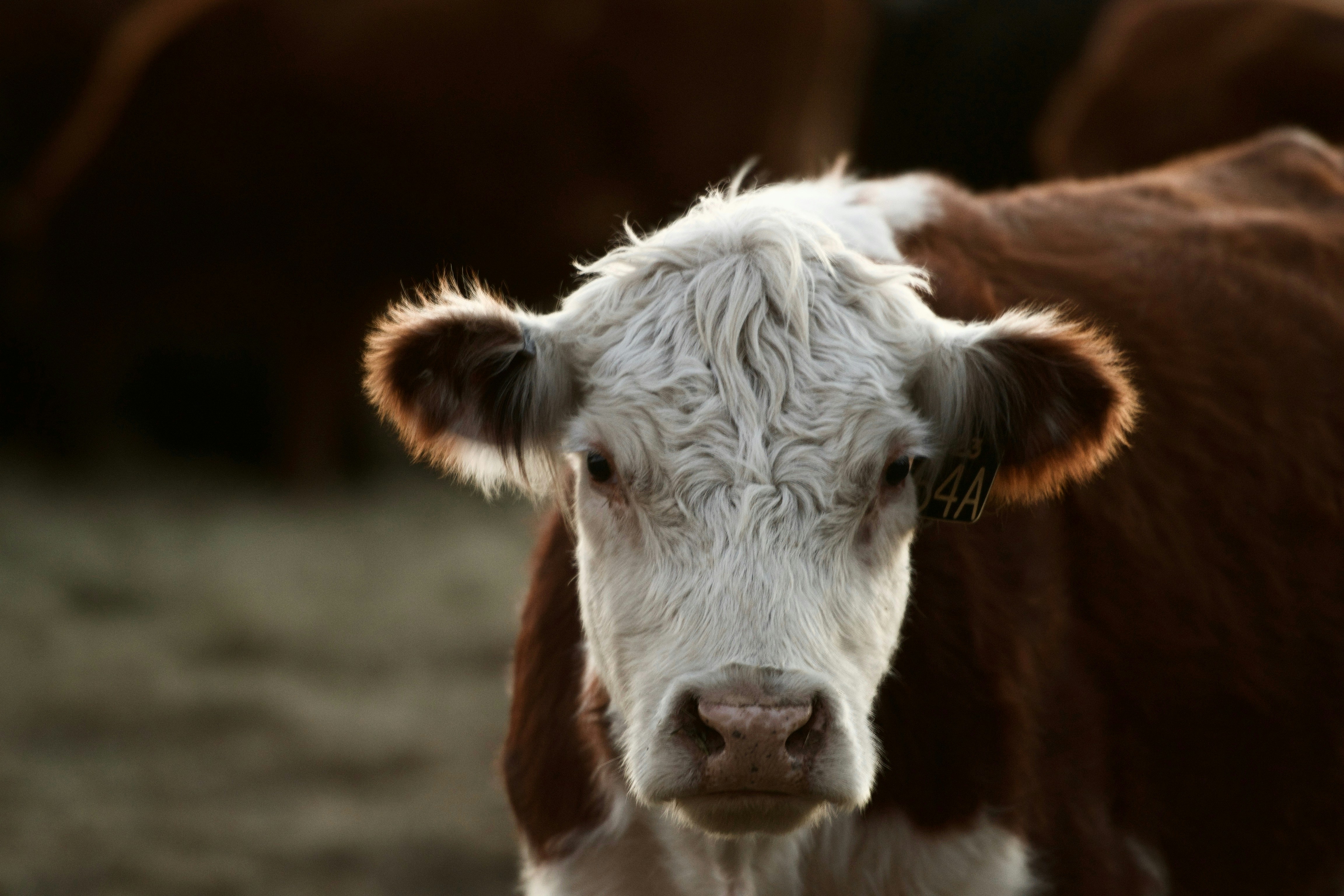
CSRD and CSDDD - Key levers for company ambition on methane reductions
Changing Markets published a new report examining how the CSRD and CSDDD can drive methane emission reductions from Big Meat and Dairy. The report - on wich Changing Markets collaborated with AxHA - finds that, even after recent deregulation, both directives still represent key levers for increasing company ambition on methane reductions (Changing Markets: “CSRD and CSDDD – A catalyst for methane emission reduction from Big Meat and Dairy?” (Source: Changing Markets).
The impact of methane on health, agriculture and the environment
Methane is the world’s second-largest contributor to global warming after carbon dioxide and a key ingredient in ground-level ozone pollution, as highlighted by the Climate and Clean Air Coalition (CCAC), a partnership of 102 governmental partners including the European Commission (Source: CCAC). Ozone formed from methane is linked to serious health and environmental impacts, including around half a million premature deaths globally each year and tens of thousands of premature deaths in the EU, as well as significant losses in agricultural yields such as wheat (see Global Methane Assessment and related literature cited in the Changing Markets report). Analyses referenced in the report, including work by the Clean Air Fund (Source: Clean Air Fund) and the Global Methane Assessment, show that ambitious methane reductions could avoid large numbers of premature deaths and prevent millions of tonnes of crop losses annually.
Adverse impacts from methane under the CSRD and CSDDD
Against this backdrop, the CSRD and CSDDD can help turn methane from a blind spot into a priority issue for large food companies. Under the Corporate Sustainability Reporting Directive (CSRD), major meat, dairy and retail companies must disclose their greenhouse gas emissions, including methane, and assess their material impacts on people, the environment and their own financial performance. The Corporate Sustainability Due Diligence Directive (CSDDD) obliges companies in scope to identify, prevent and mitigate adverse environmental and human rights impacts in their operations and value chains, which includes harms linked to air pollution and ecosystem degradation where methane-driven ozone plays a major role (CSRD).
Essential steps for high-methane, cattle-related, companies.
The report recommends that high-methane companies take three concrete steps: disclose methane emissions separately, including in scope 3; set science-based methane reduction targets; and integrate methane mitigation into their due diligence processes, prioritising action at source rather than relying on end-of-pipe solutions. This aligns with broader expectations on corporate climate responsibility set out in international frameworks such as the UN Guiding Principles (UNGPs) and the OECD Guidelines.
Looking ahead in terms of EU policy
EU policy will bring even more attention to livestock methane. As part of the revised Industrial Emissions Directive (IED 2.0) – fully titled the Industrial and Livestock Rearing Emissions Directive (consolidated legal text Directive 2010/75/EU) – which entered into force on 4 August 2024, the European Commission’s Directorate‑General for Climate Action (DG CLIMA) must publish a comprehensive report on emissions from livestock rearing by the end of 2026, with a particular focus on cattle.
This assessment will cover both domestic production and imports of cattle and cattle products, ensuring that emissions linked to imported beef or live cattle are also considered. By linking CSRD transparency, CSDDD due diligence and the new IED 2.0 mandate, the EU can better align its livestock sector with the Fit for 55 package and the European Green Deal, while reducing the climate, health and food security impacts of methane.
Photo by Stephen Wheeler on Unsplash